Valentine’s Day: Yes, I Am a Cheater
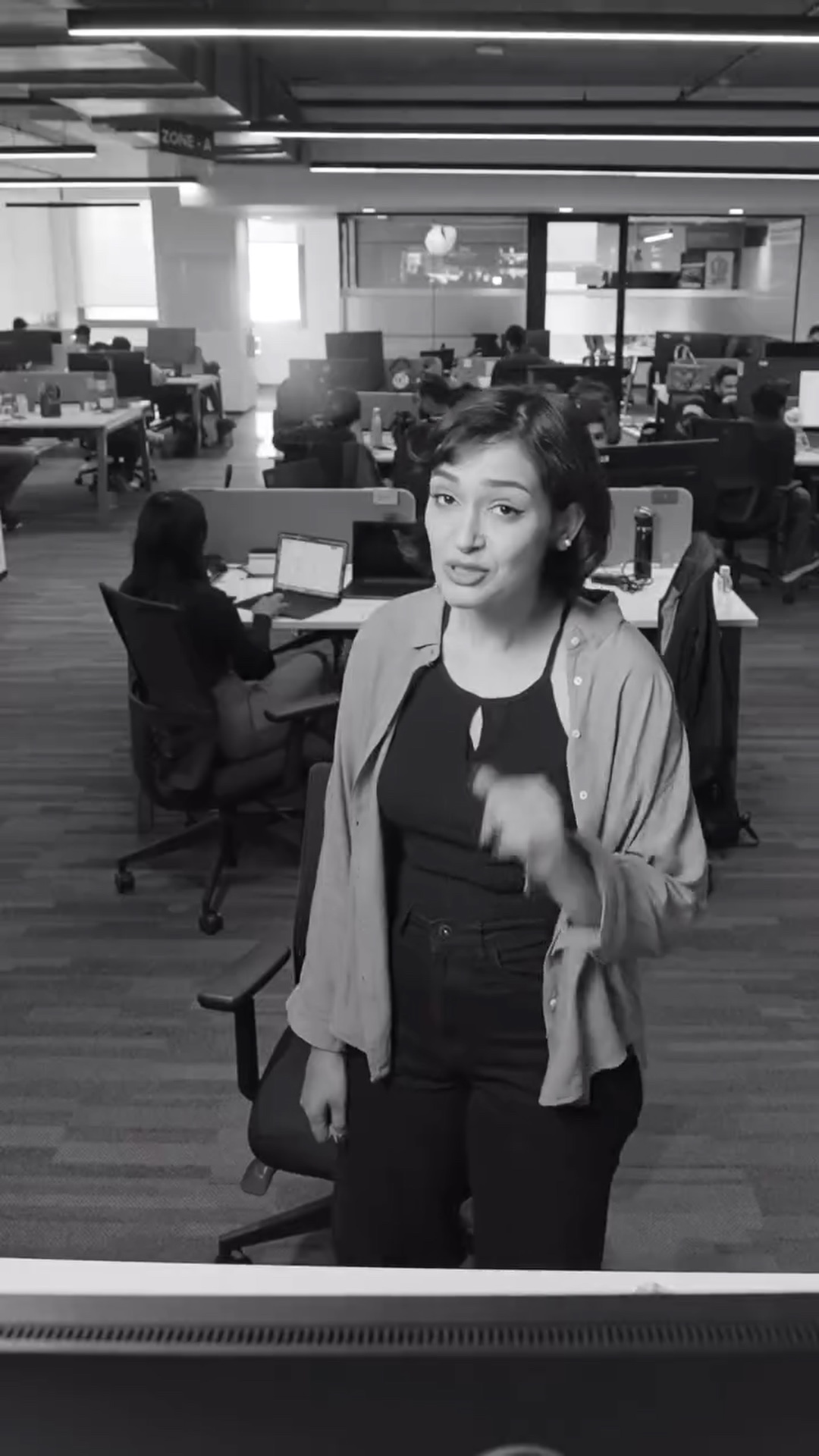
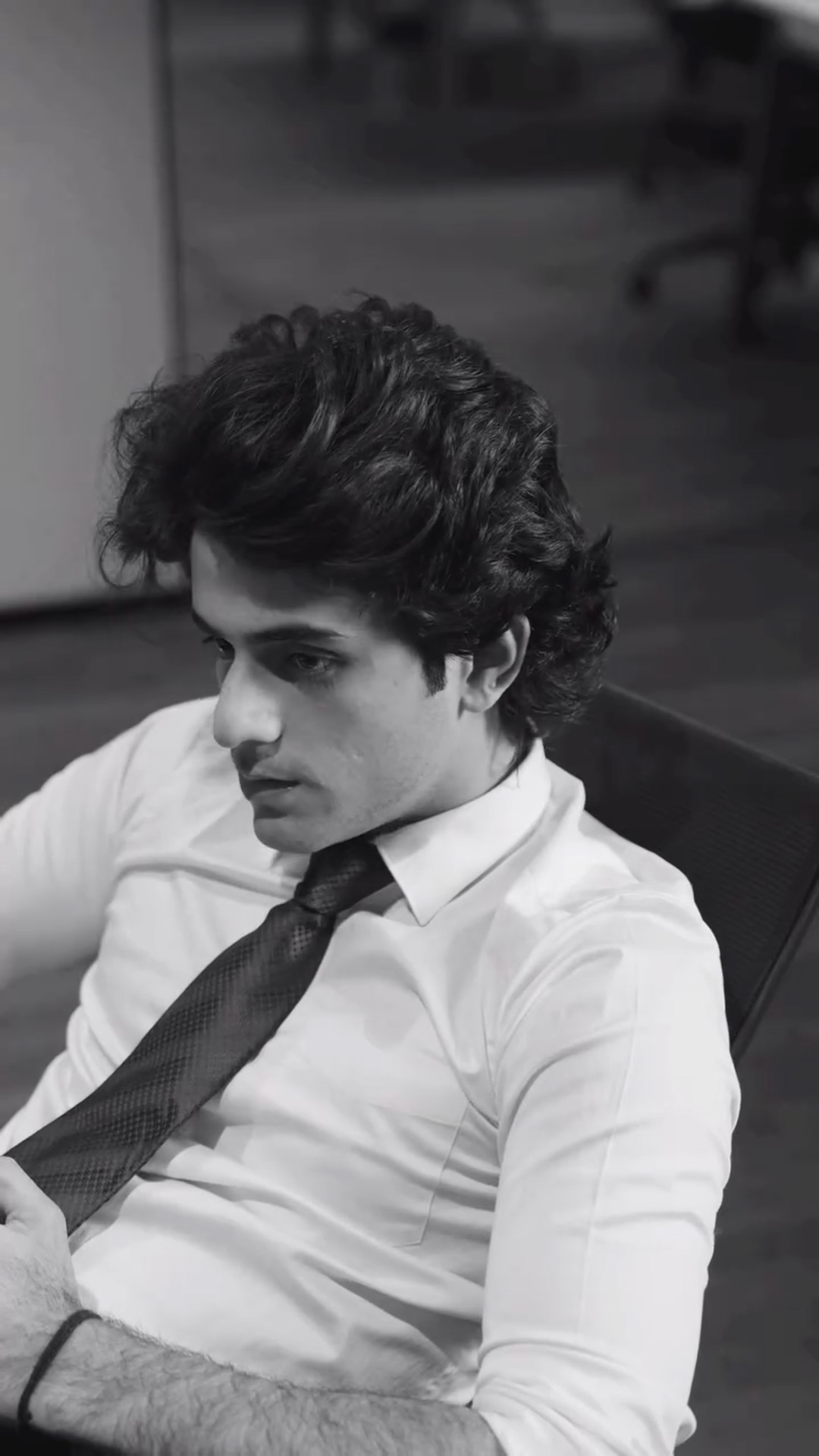
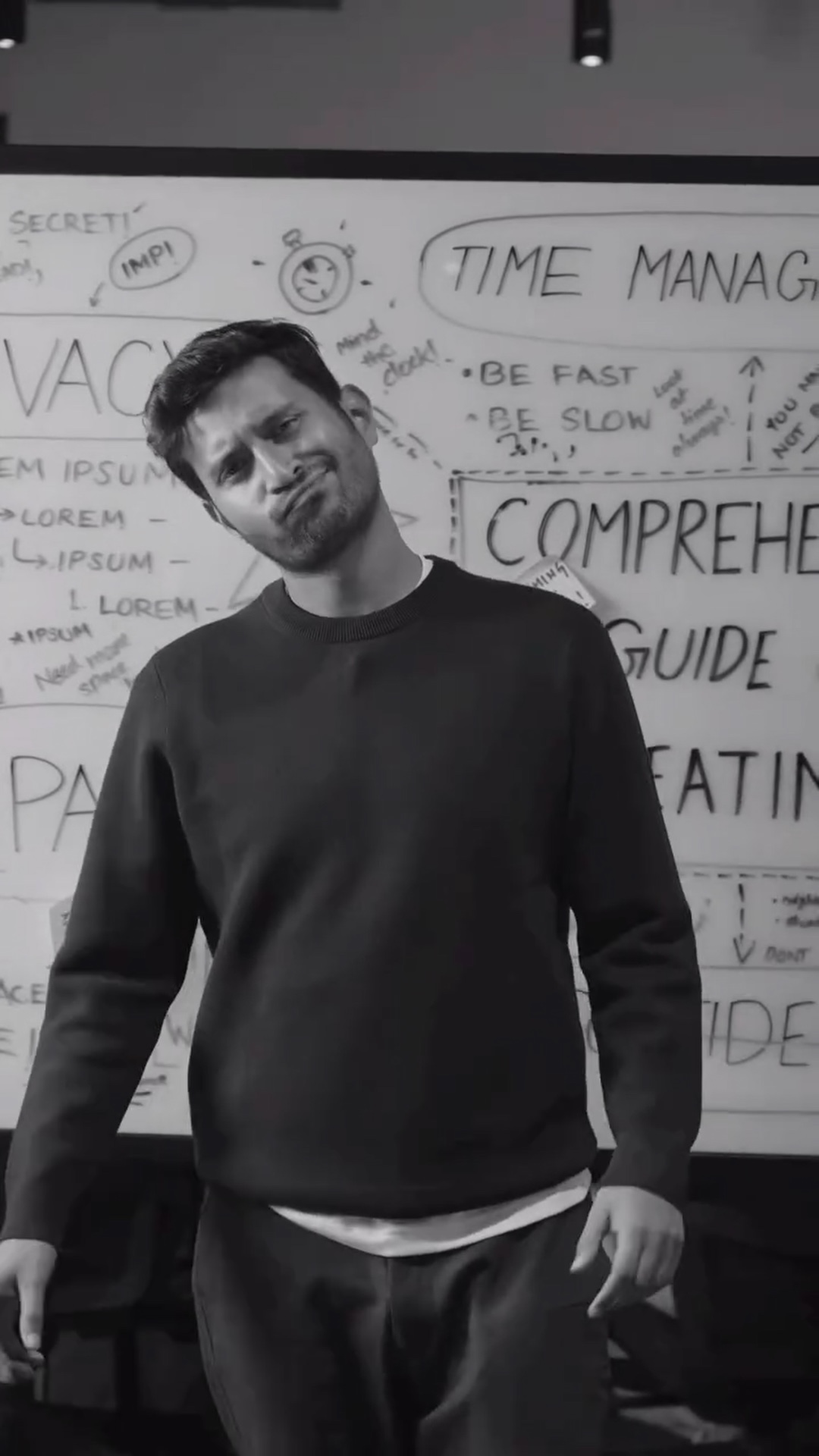
Three office workers explain, straight to camera, how to two-time at work. Then the reveal: the affair is a side hustle, and Zomato is all for it, because a full-time job doesn’t have to be the only thing you love.
- Campaign
- Valentine’s Day · Fuel Your Hustle
- Format
- Camera film · 9:16 · 1:07
- Role
- Assisting director · cinematographer · edit
- Timeline
- Four days, idea to edit
- Cast
- MD Anas · Simran Poonia · Kannav Bhardwaj
- Written by
- Hitesh Makwaney
The idea
Cheating, done right.
It’s called a side hustle.
Part of the culture
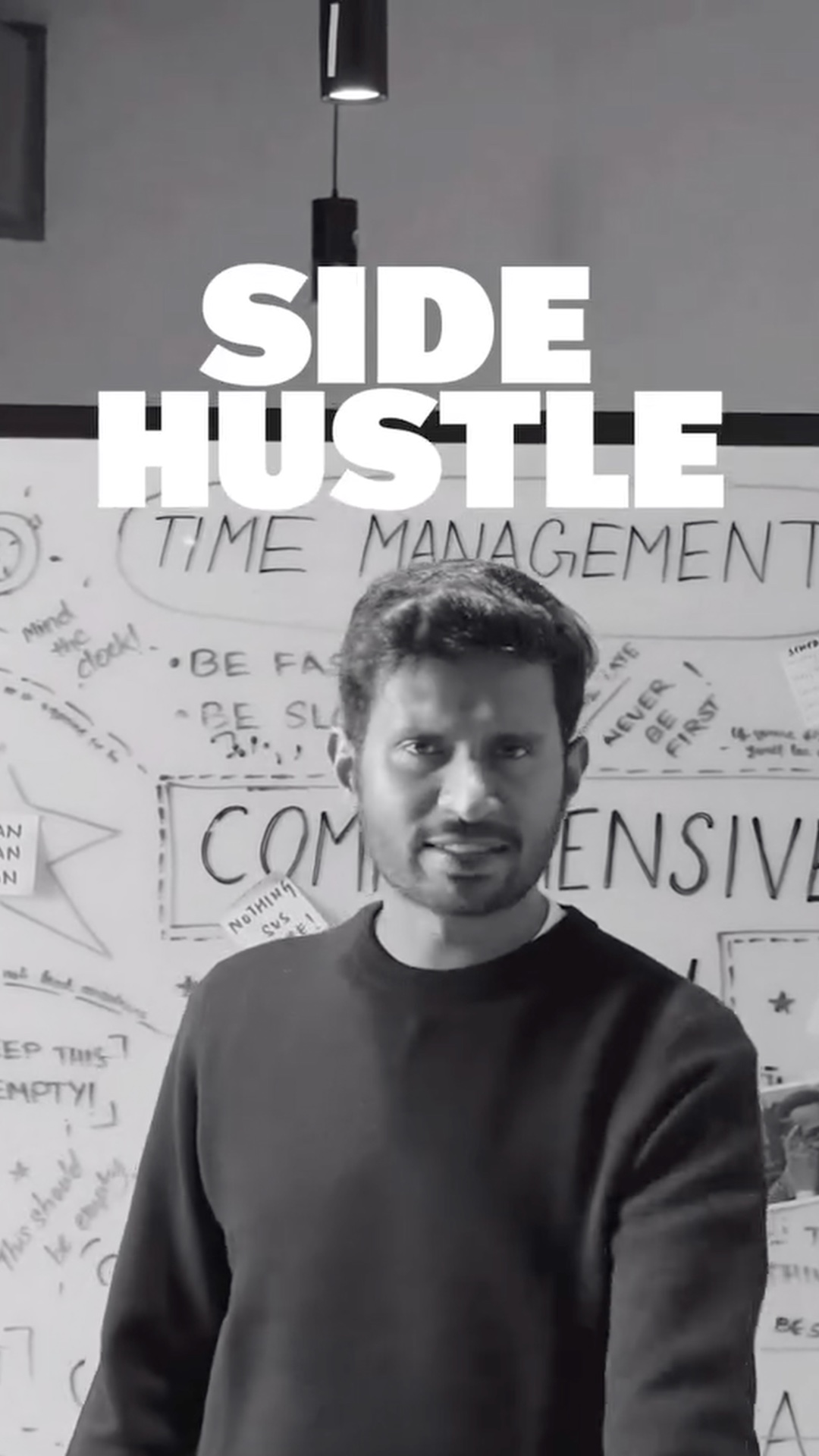
Side hustles are already part of life at Zomato. Plenty of Zomans are creators with their own audiences, run their own businesses, even their own cafés, alongside a full-time job. They’re what keeps a lot of people sane. The film says it out loud: we’re open to you pursuing your passions here.
Four days’ notice
This season, Valentine’s Day was going to be a single carousel post. Four days before the day, the senior creative director walked over: we’re making a film. No script, no cast, no plan. In under 72 hours the copy team wrote it, producers found the cast, and the film team found the spaces and blocked the shots.
Fuel Your Hustle, in black and white
At the time, Zomato’s brand platform was Fuel Your Hustle: all black and white, about drive, health and stories of people building something. So the film is black and white too, and the only colour in it is the Zomato red at the very end.
The guide
Five rules for two-timing at the office.
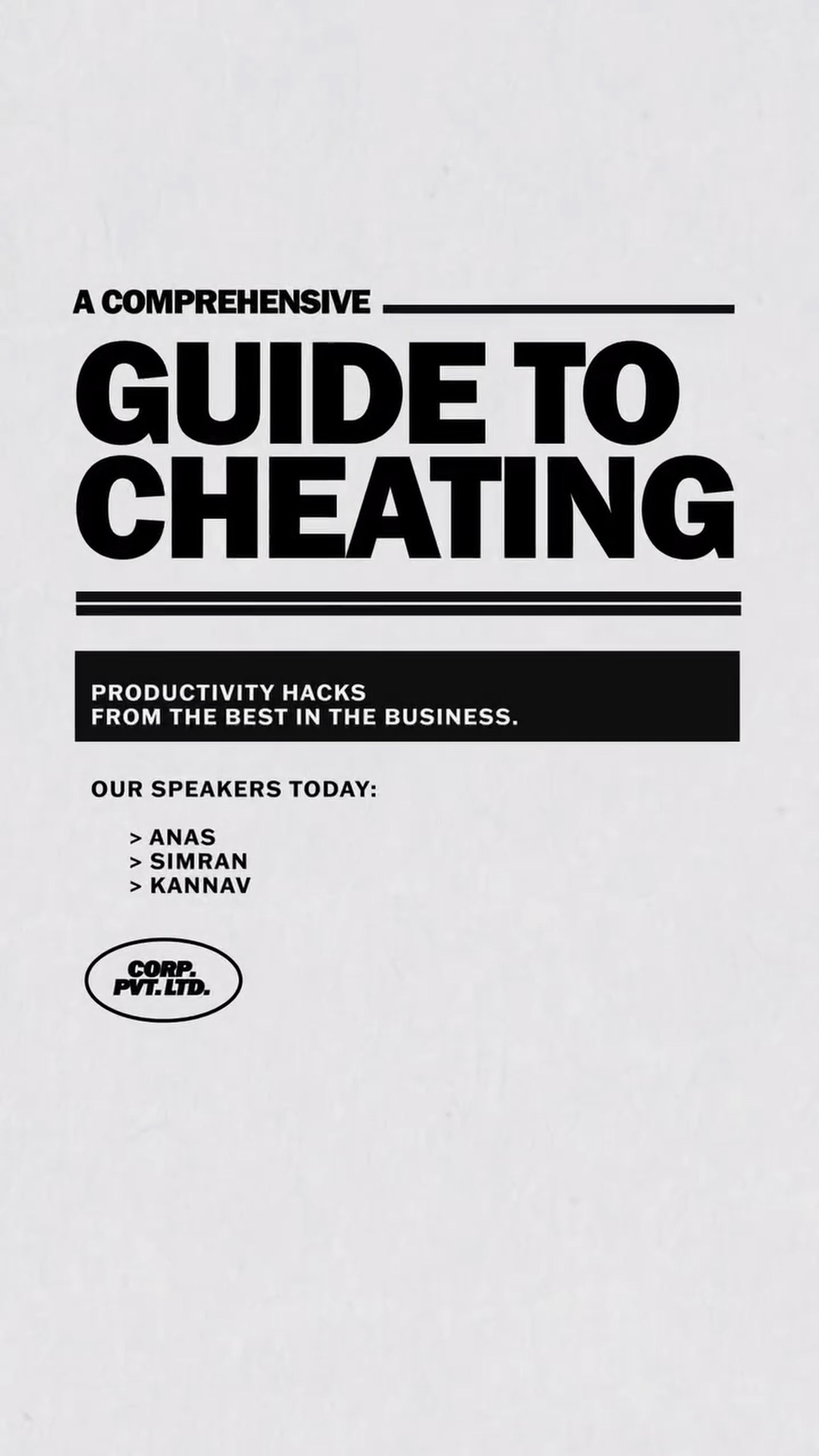
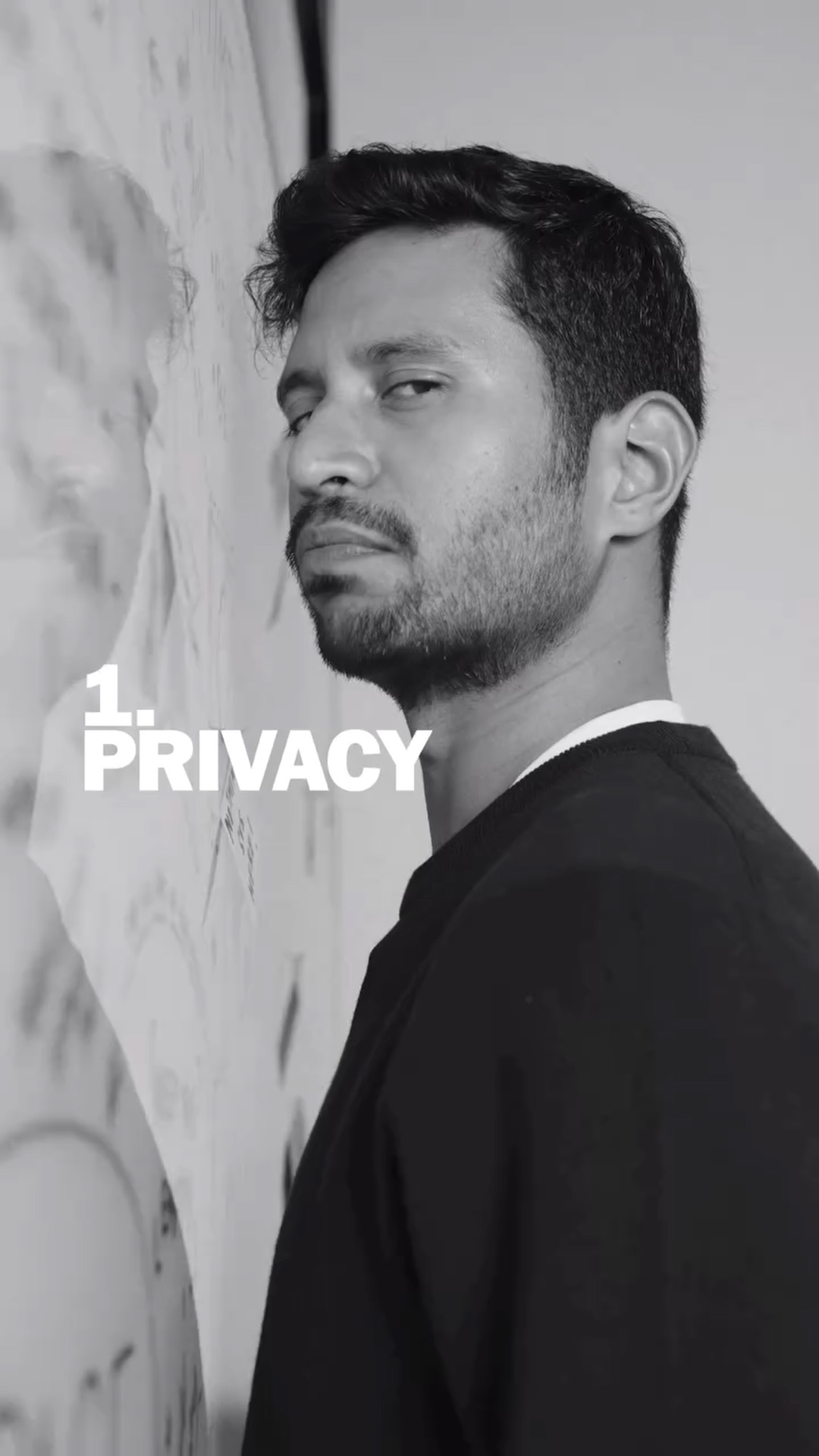
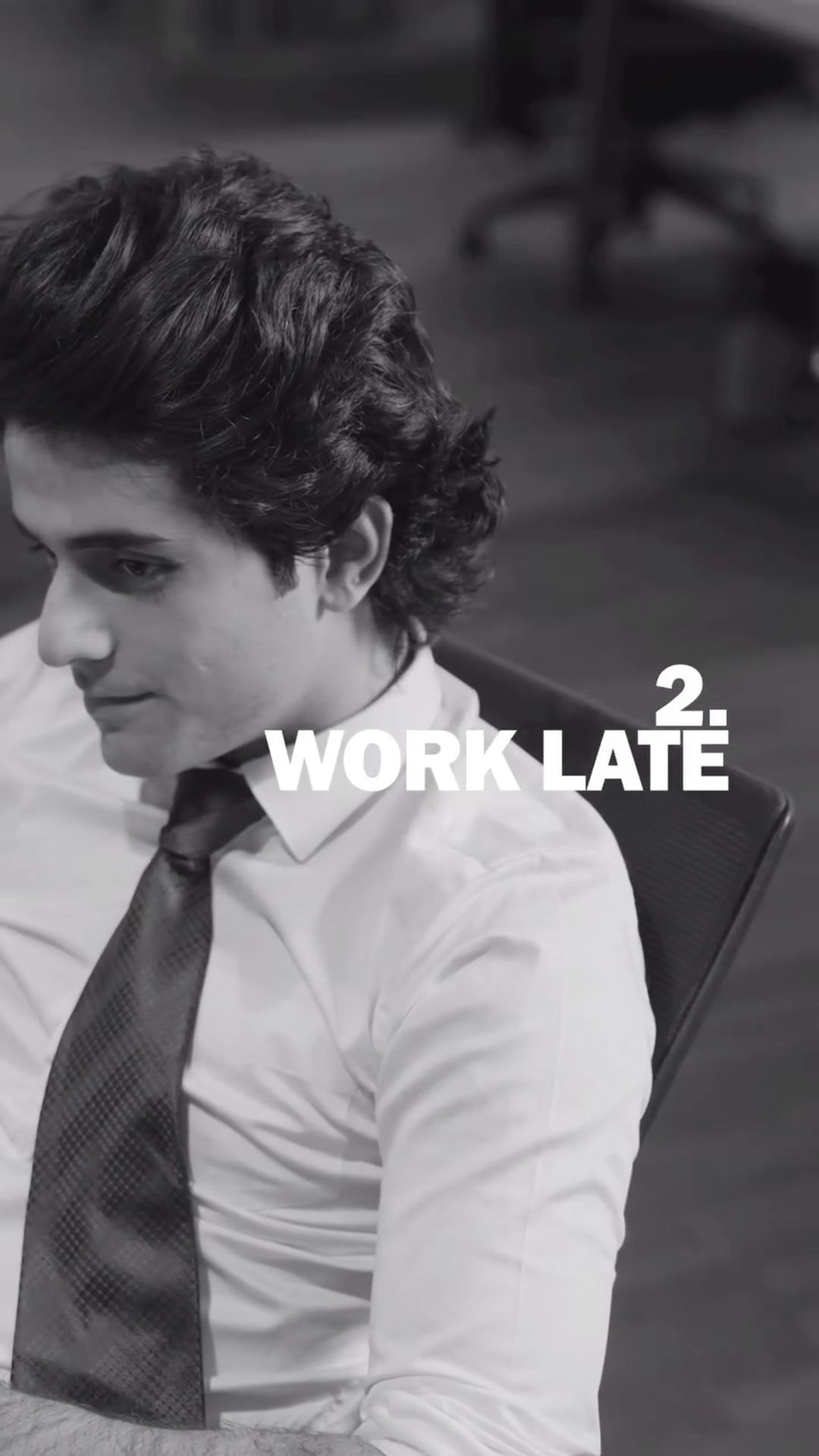
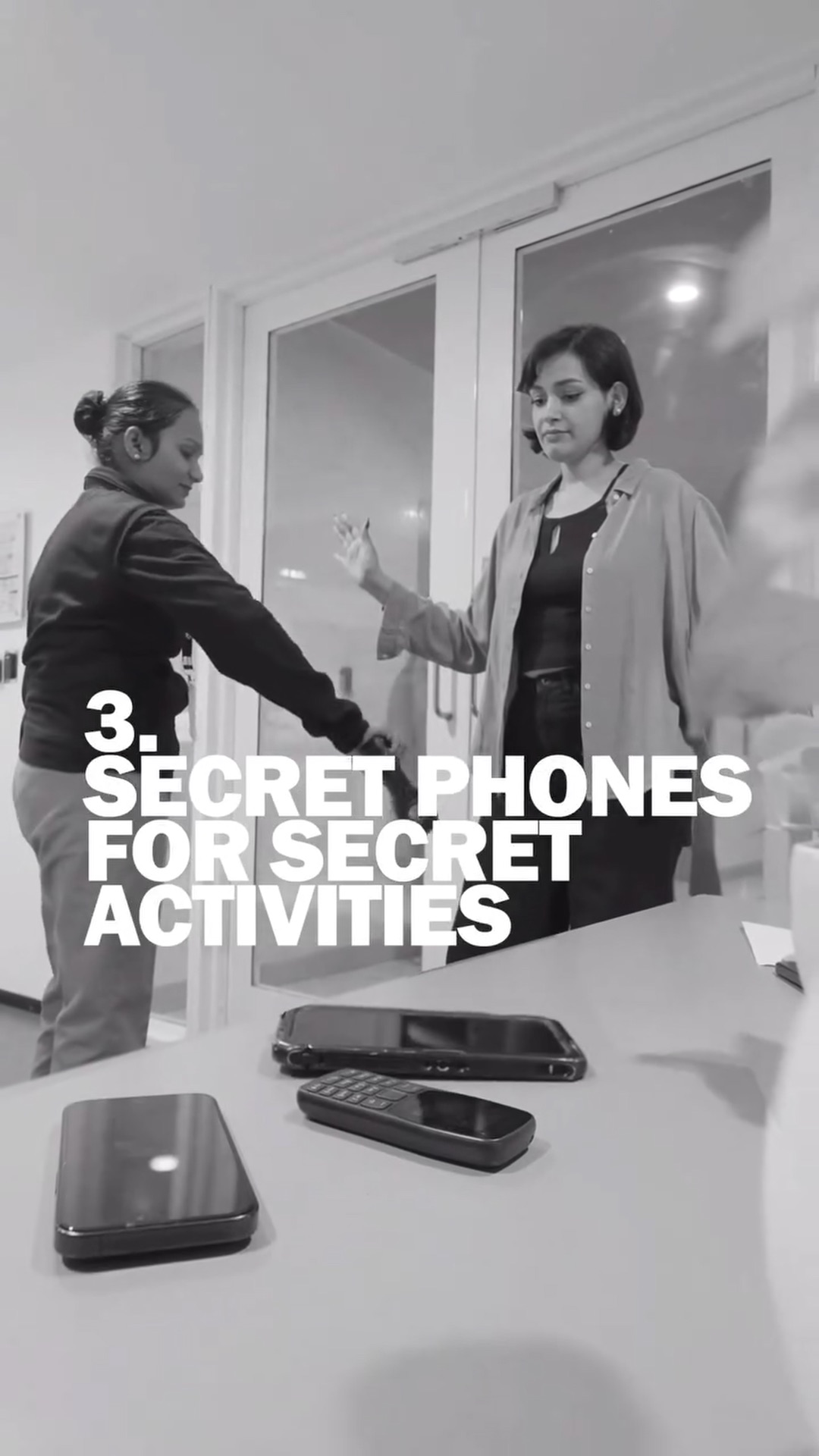
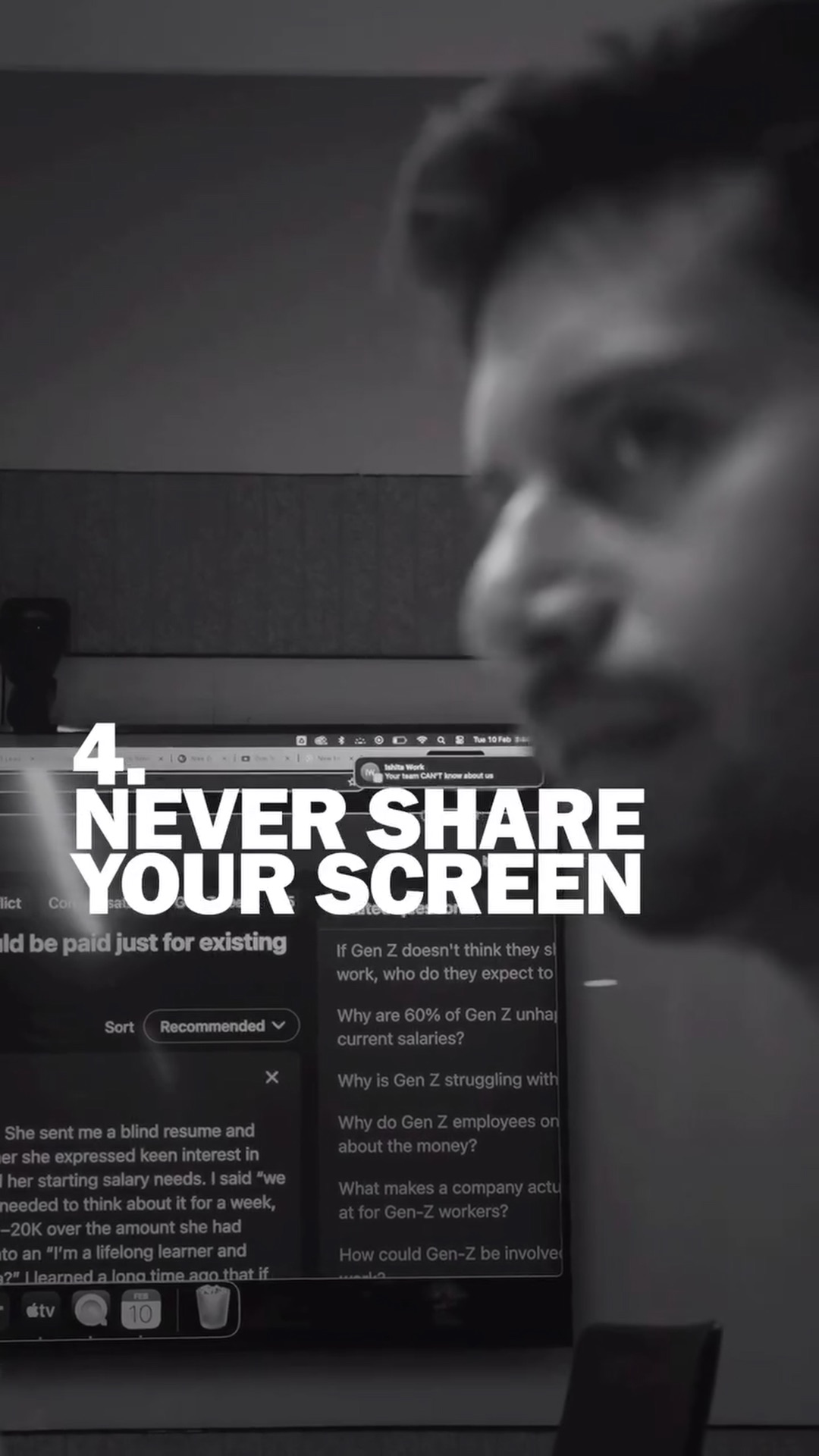
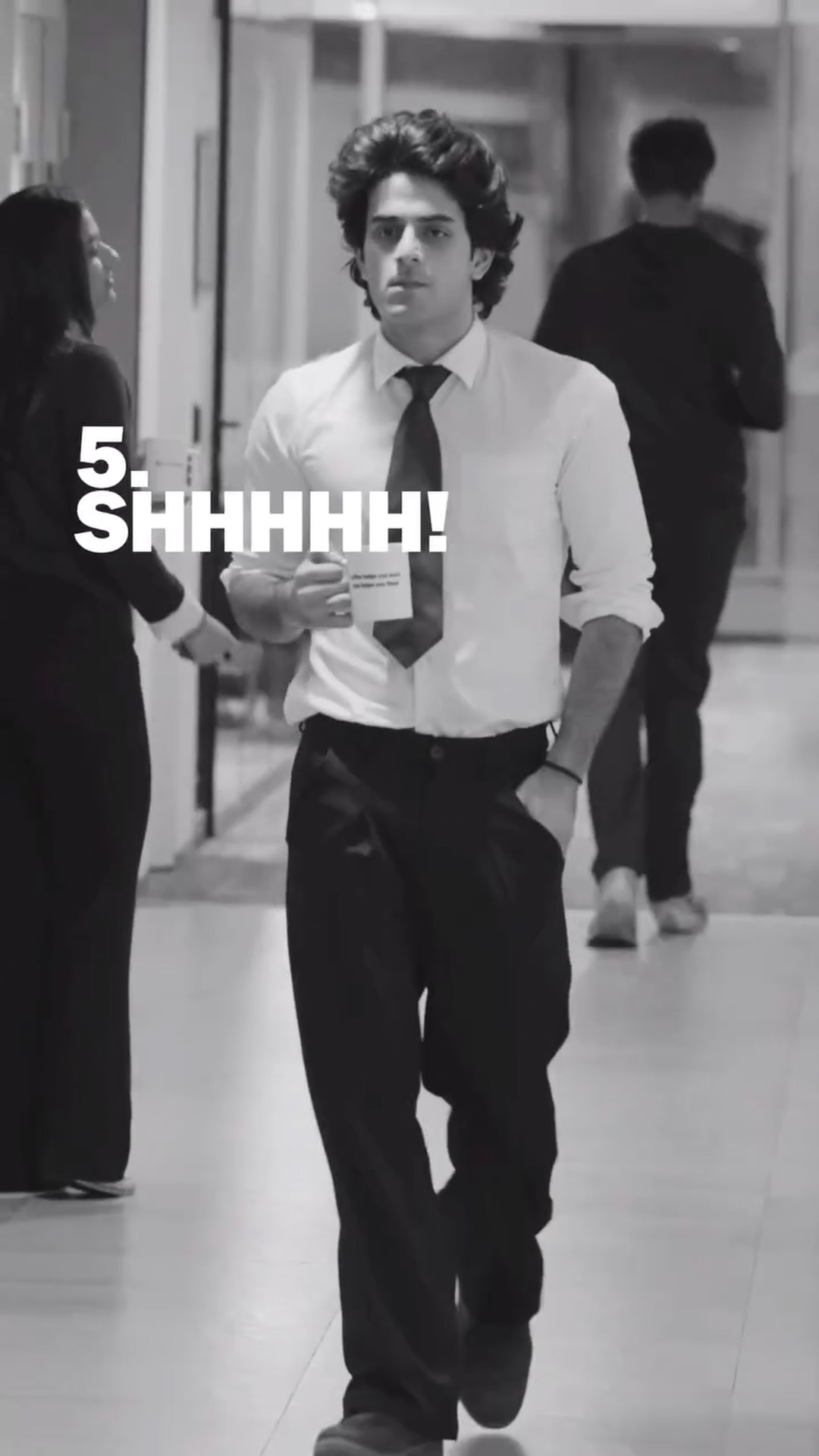
The film is a how-to, told straight to camera. A title card introduces the speakers, and each chapter is one rule, delivered with complete conviction.
The reveal
“Yes, I am a cheater.”
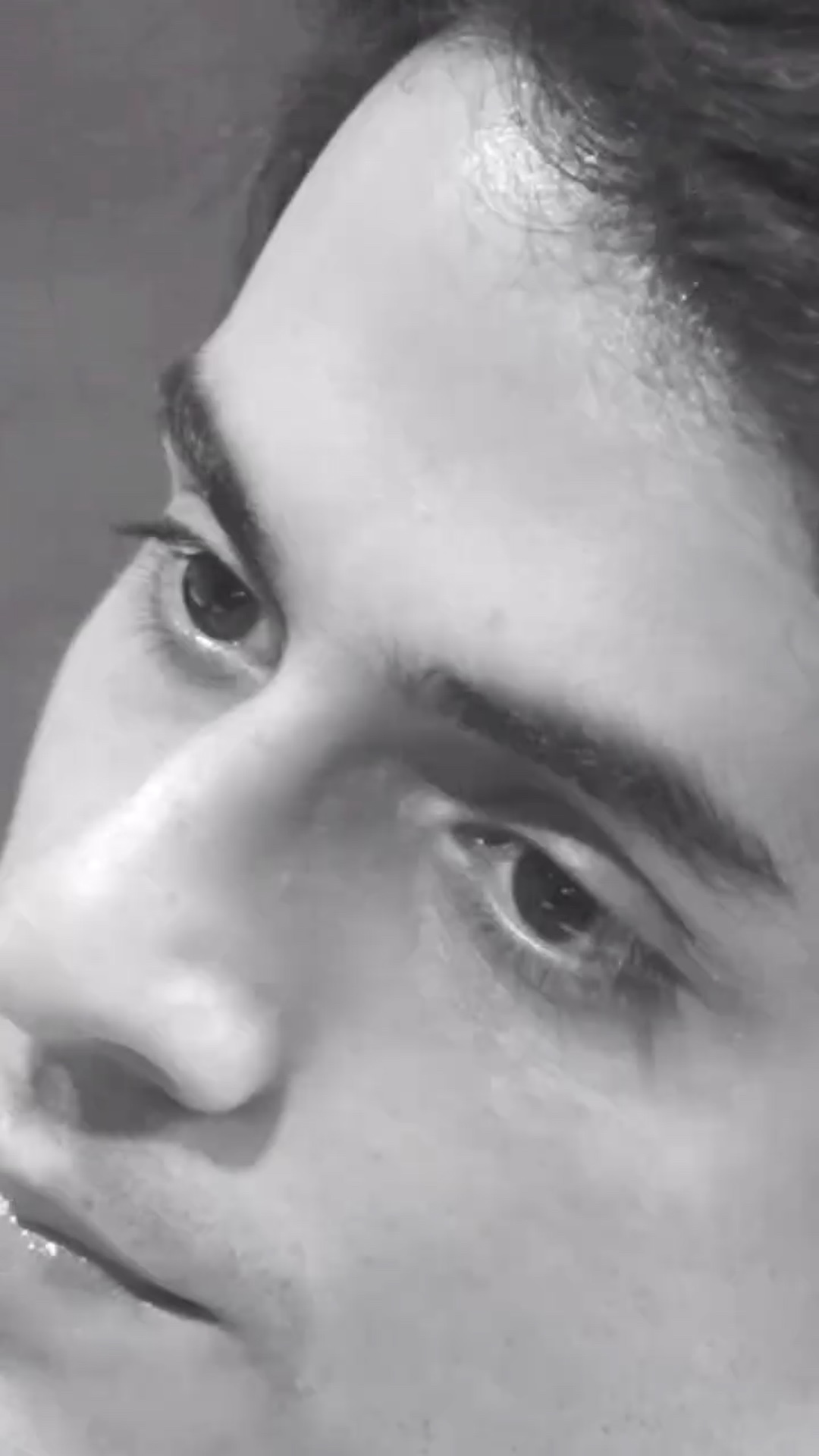
Five chapters of two-timing, played completely straight. Then the turn: the affair is a side hustle, a start-up, a passion for creating. Not cheating on the job. Doing it alongside.
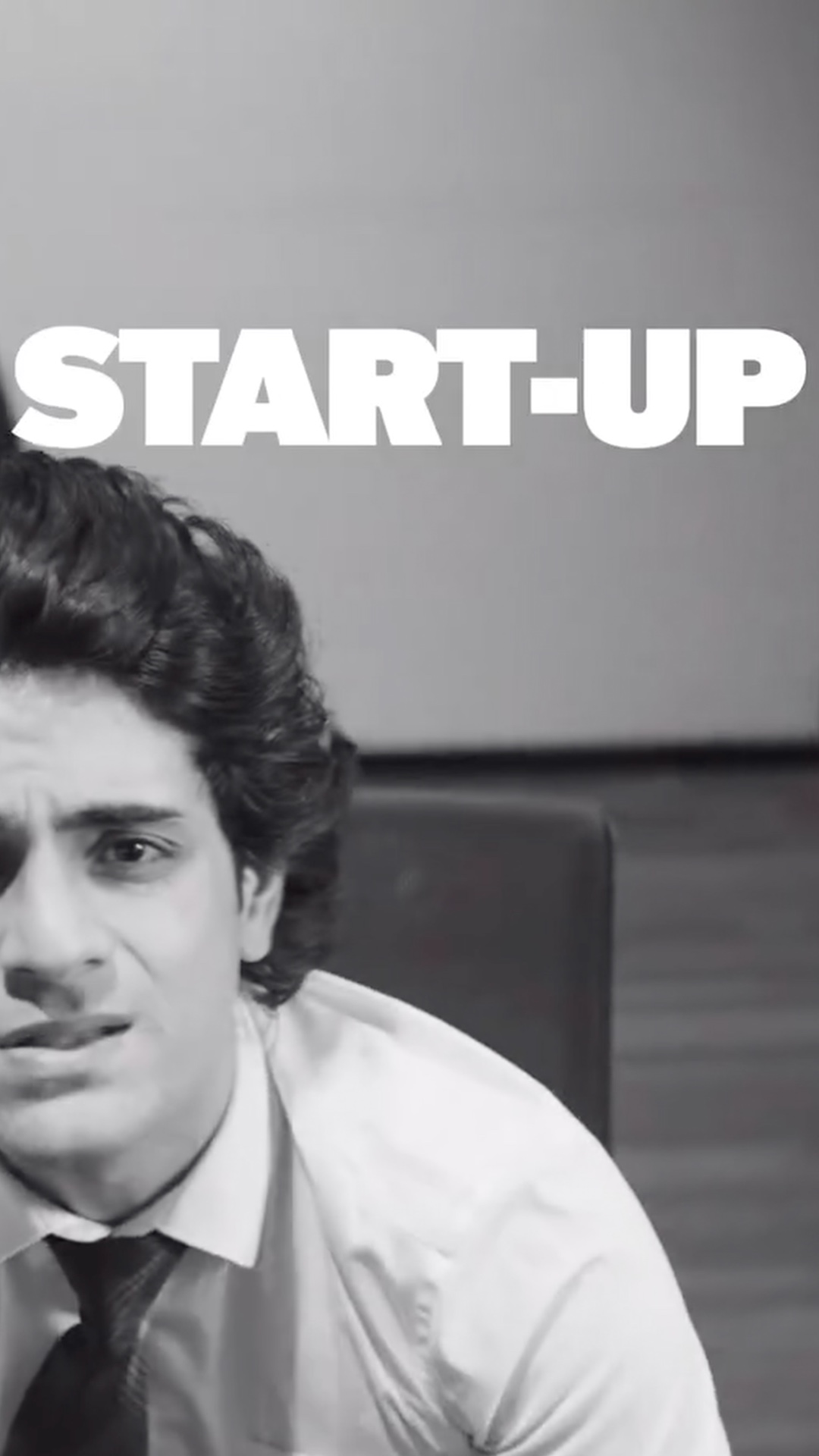
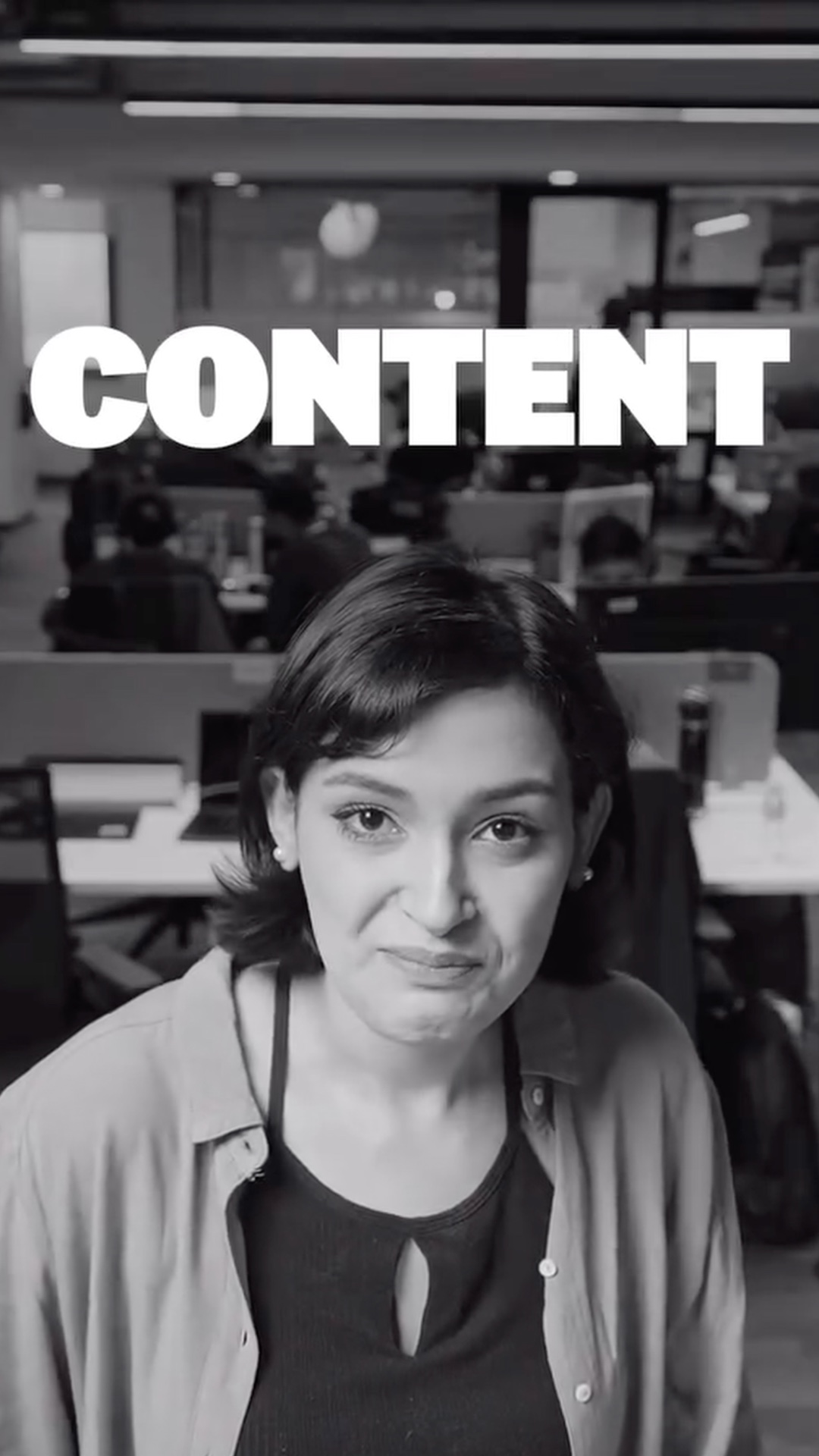
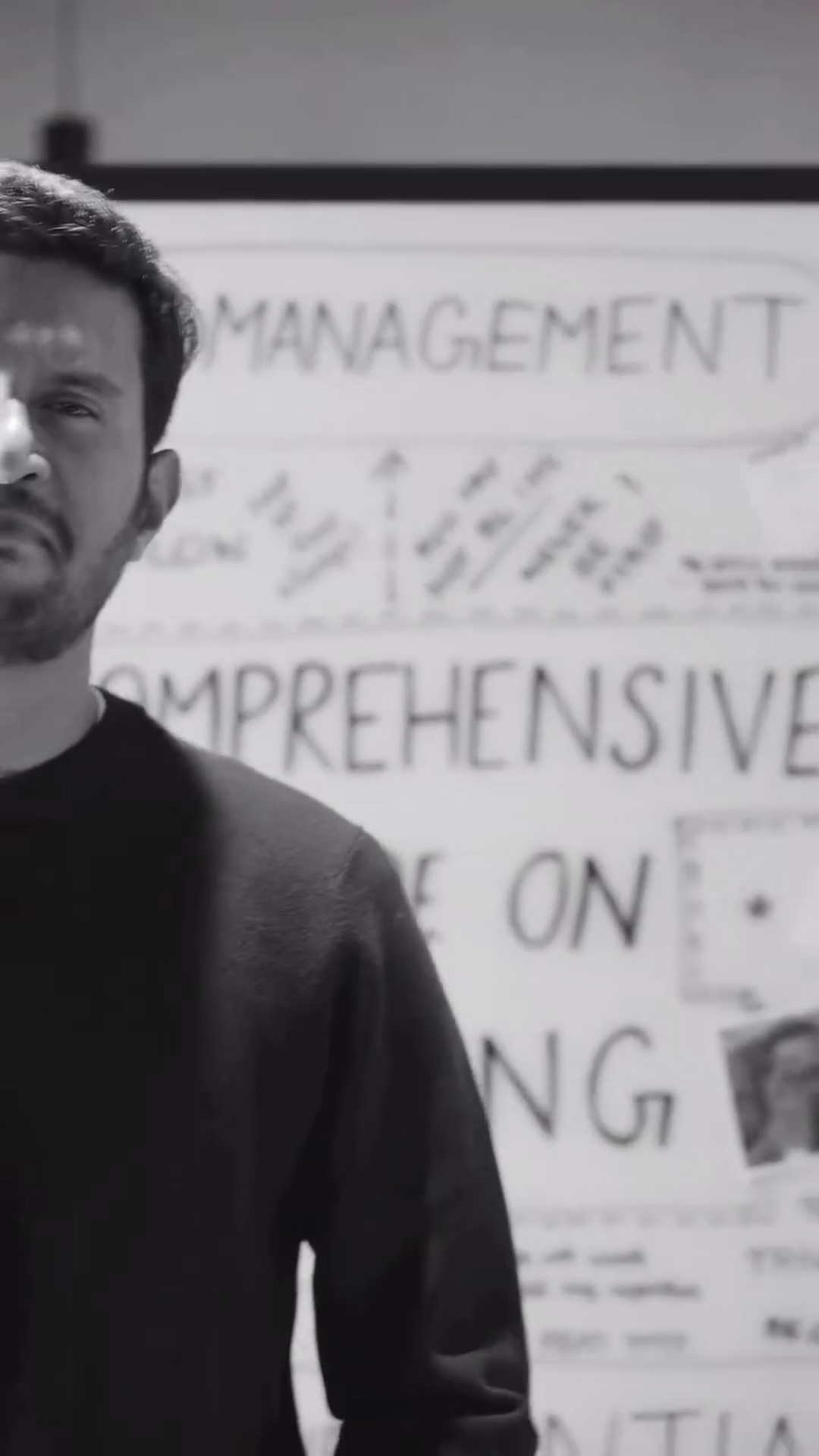
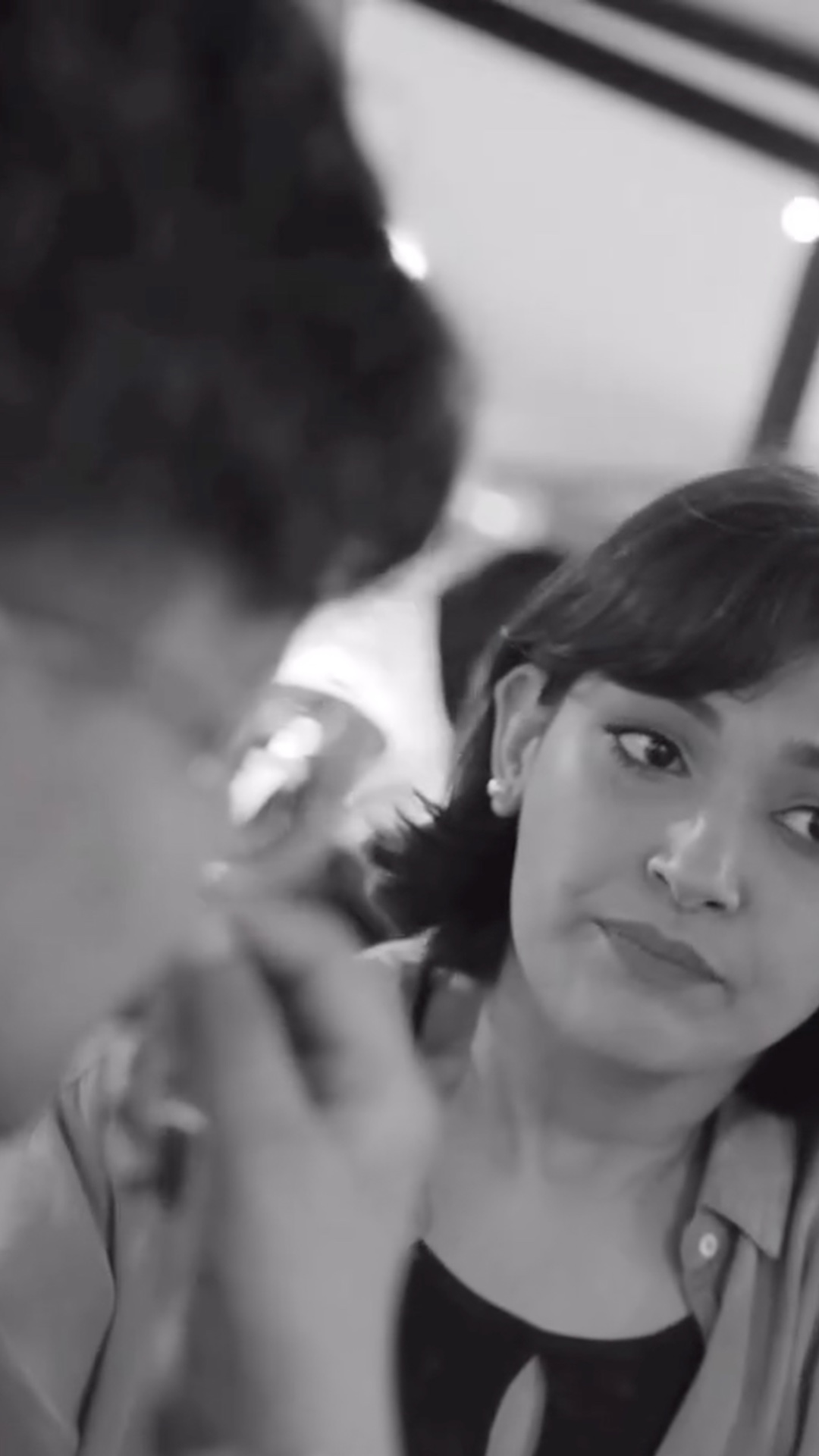
Stills
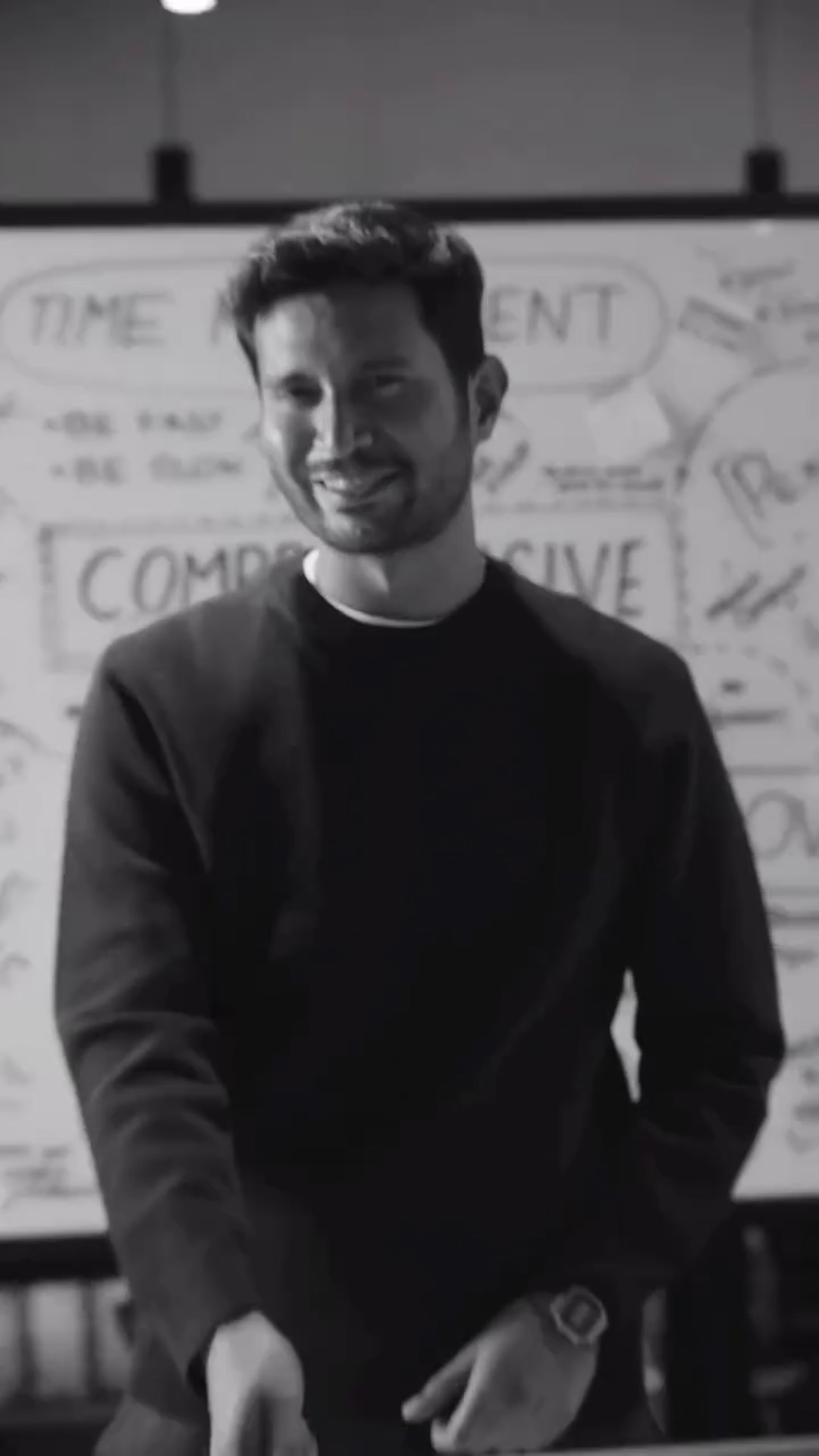
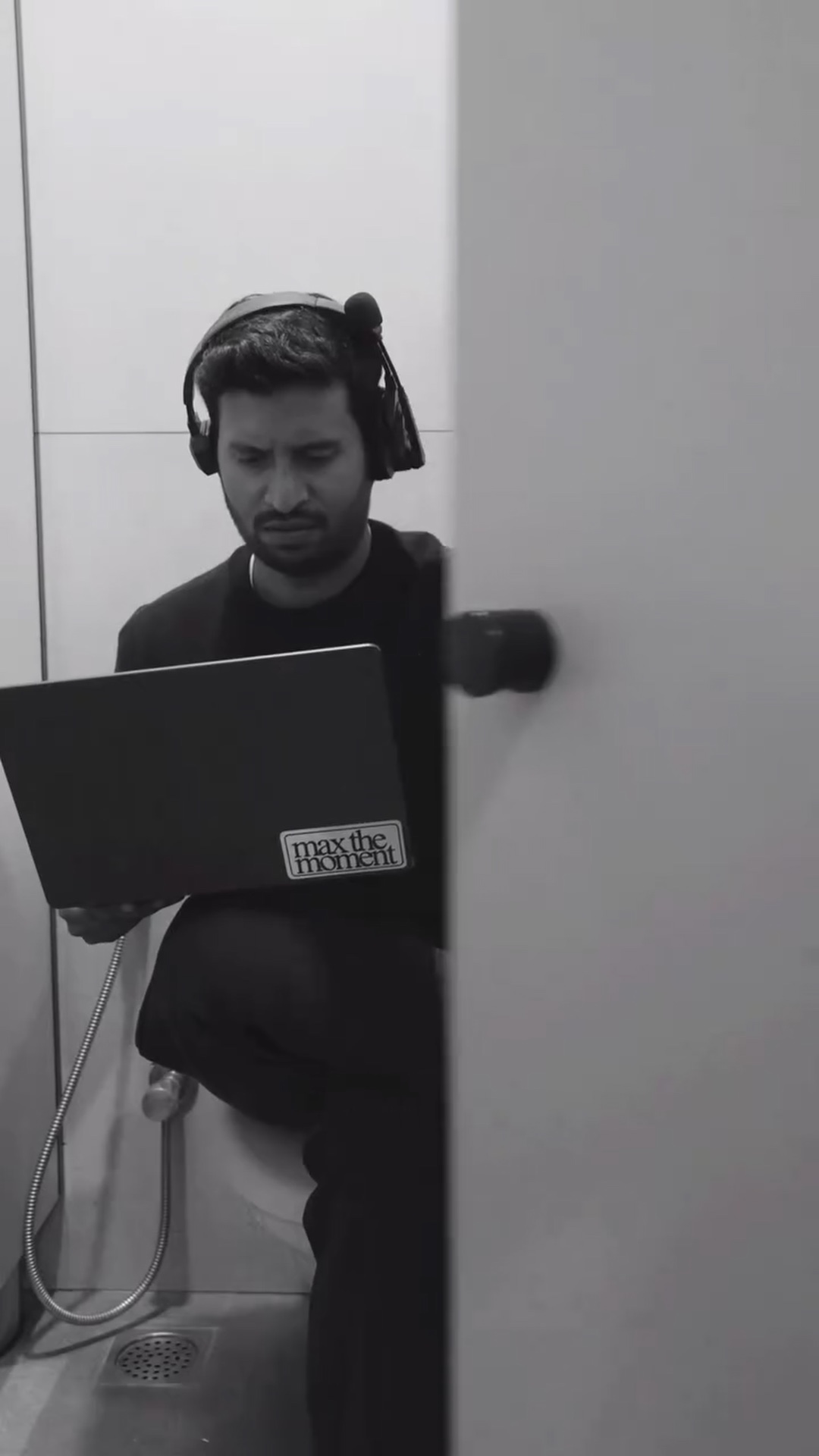
Four days, start to finish
From “just a carousel post” to a finished film by Valentine’s Day. If you’d rather keep browsing, skip to the next project →
- Four days
- The team
- References
- The shoot
- The edit
Four days
I watched a well-oiled machine cook.
Everyone pulled up their A game at once. The copy team started writing, producers started reaching out and negotiating, and the film team started scouting spaces and blocking shots. Everyone trusts each other’s expertise, and years in their own departments make it muscle memory. What wasn’t even a concept on day one was planned and ready in under 72 hours.
The script
Written by Hitesh Makwaney and the copy team, as five chapters: privacy, working late, secret phones, never sharing your screen, and keeping it quiet. Each one plays on the language of an affair, while the reveal turns it into a side hustle.
A guide, not a love story
Once the cinematic language was set, the film needed a guide to take the audience through it. The title became “A comprehensive guide to cheating”, with the speakers introduced like a panel of experts.
Pre-production
The team
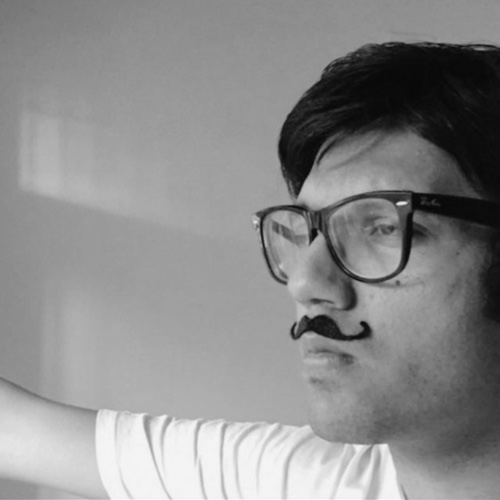
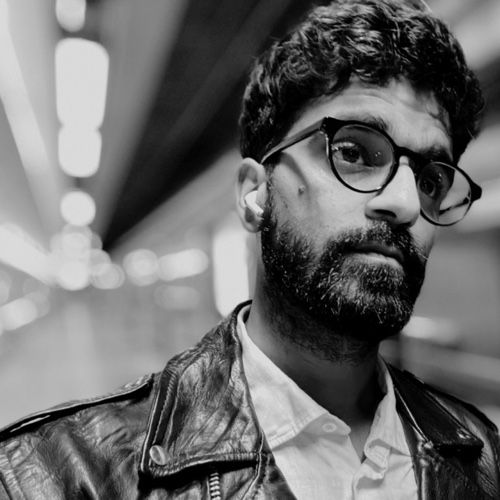
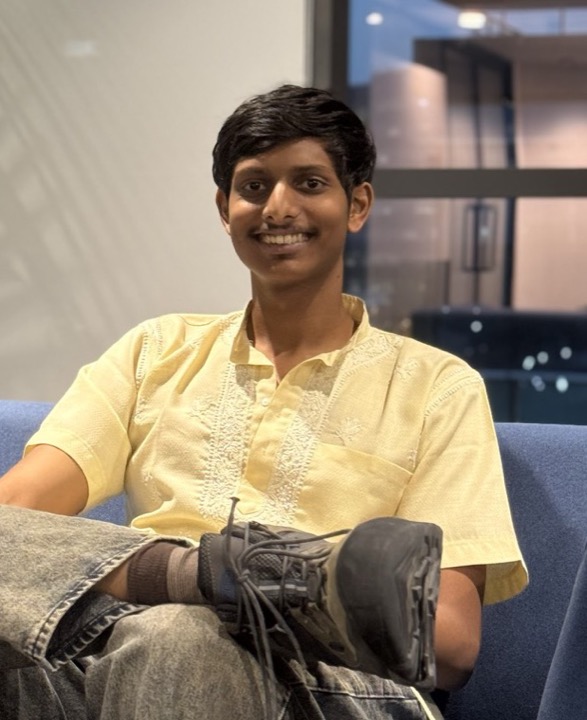
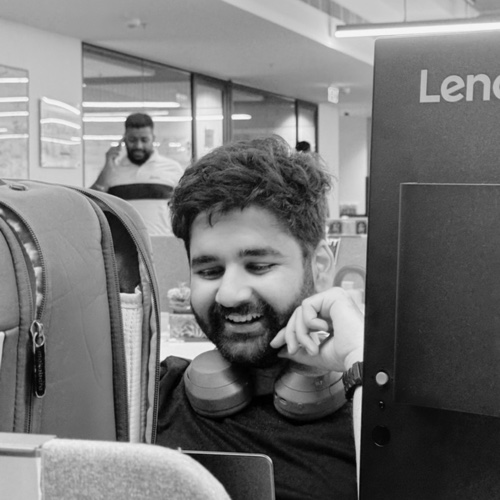
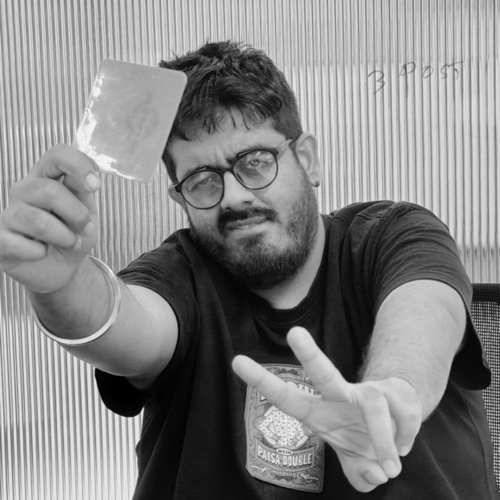
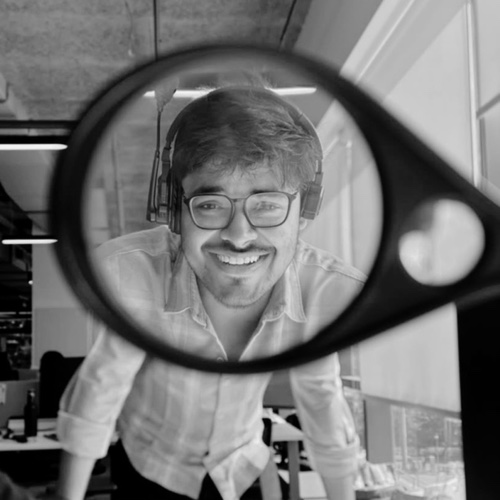
A film made in four days runs on trust. Everyone here has years in their own department, so each part moved in parallel.
Pre-production
Self-aware, on purpose
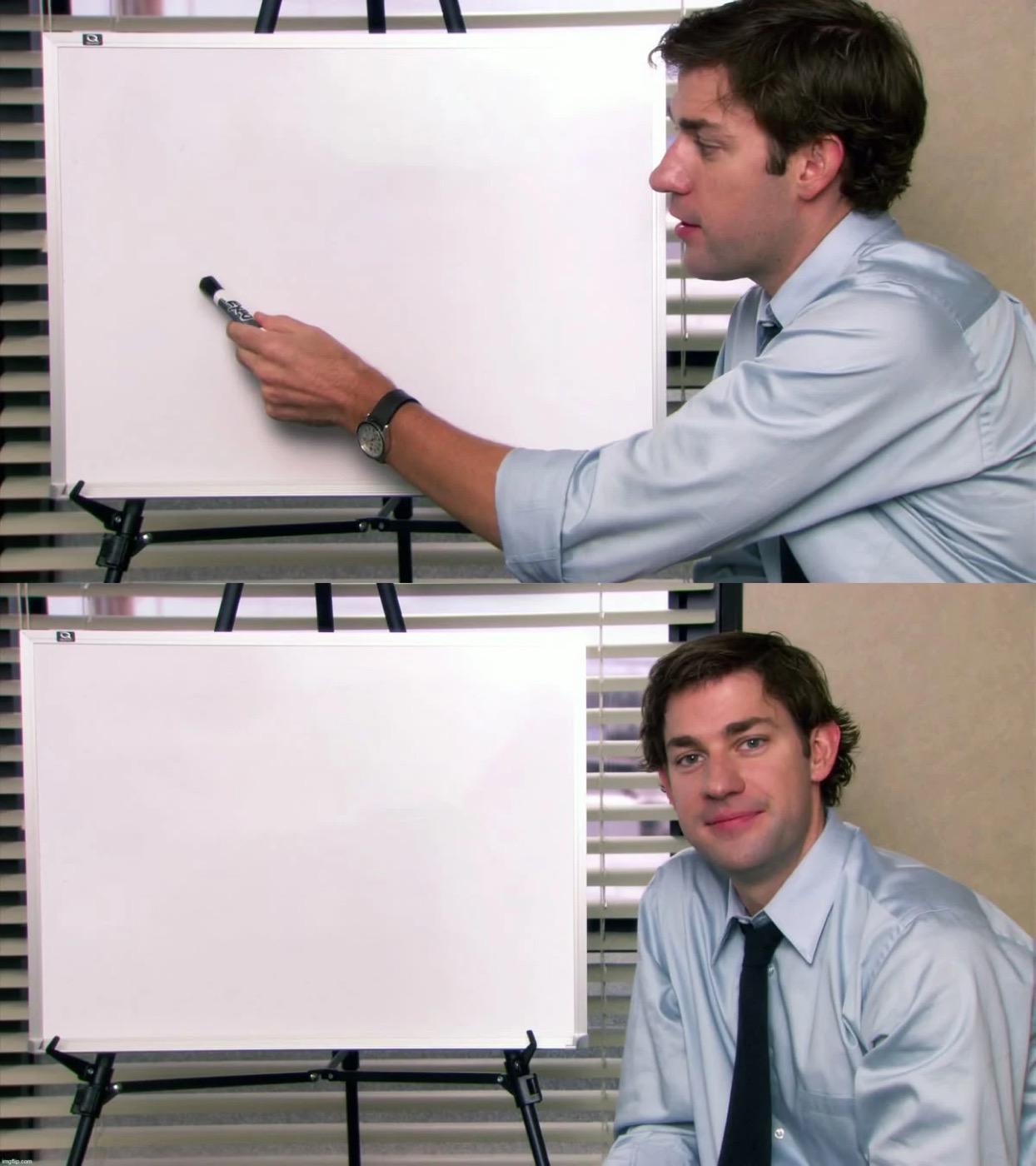
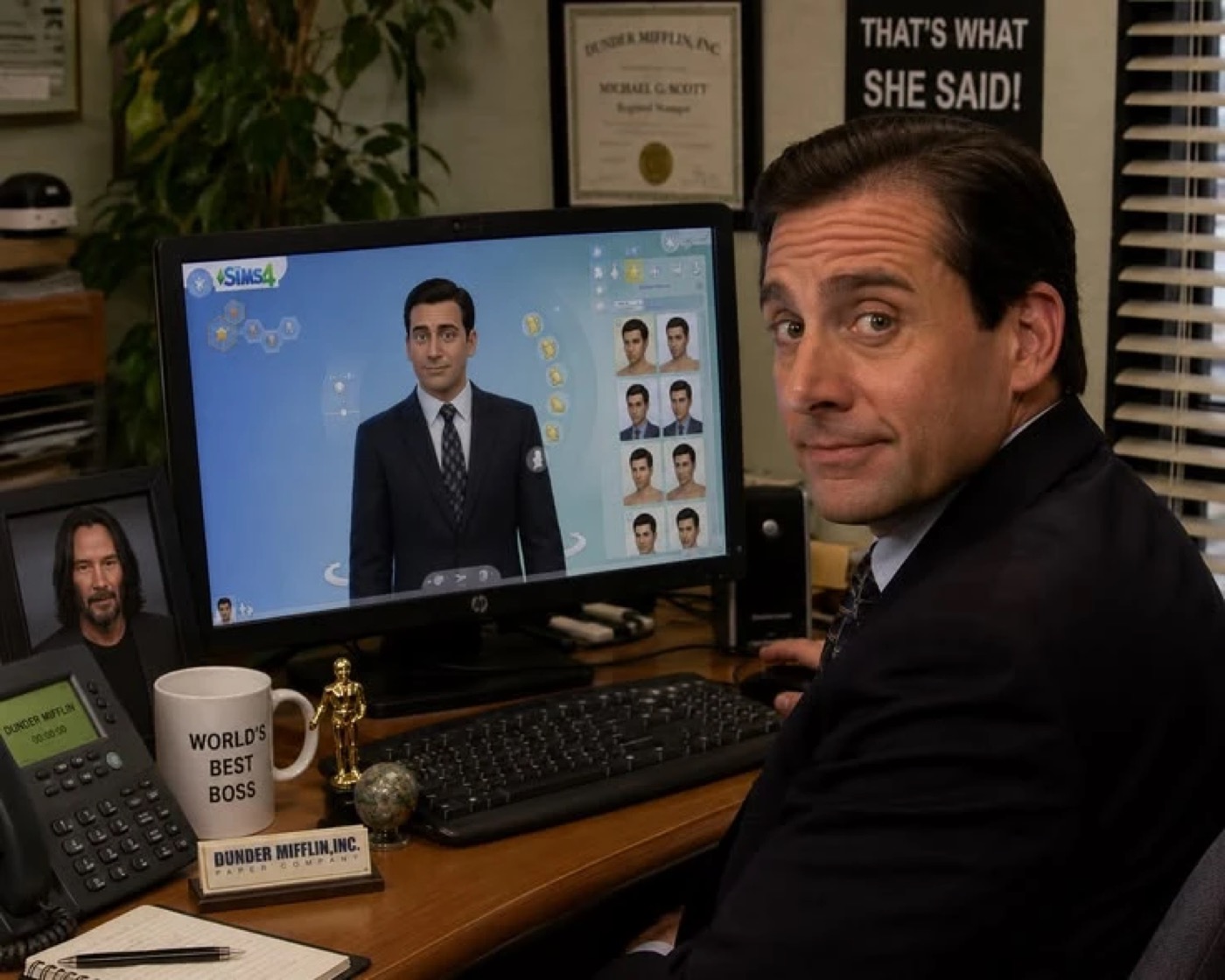
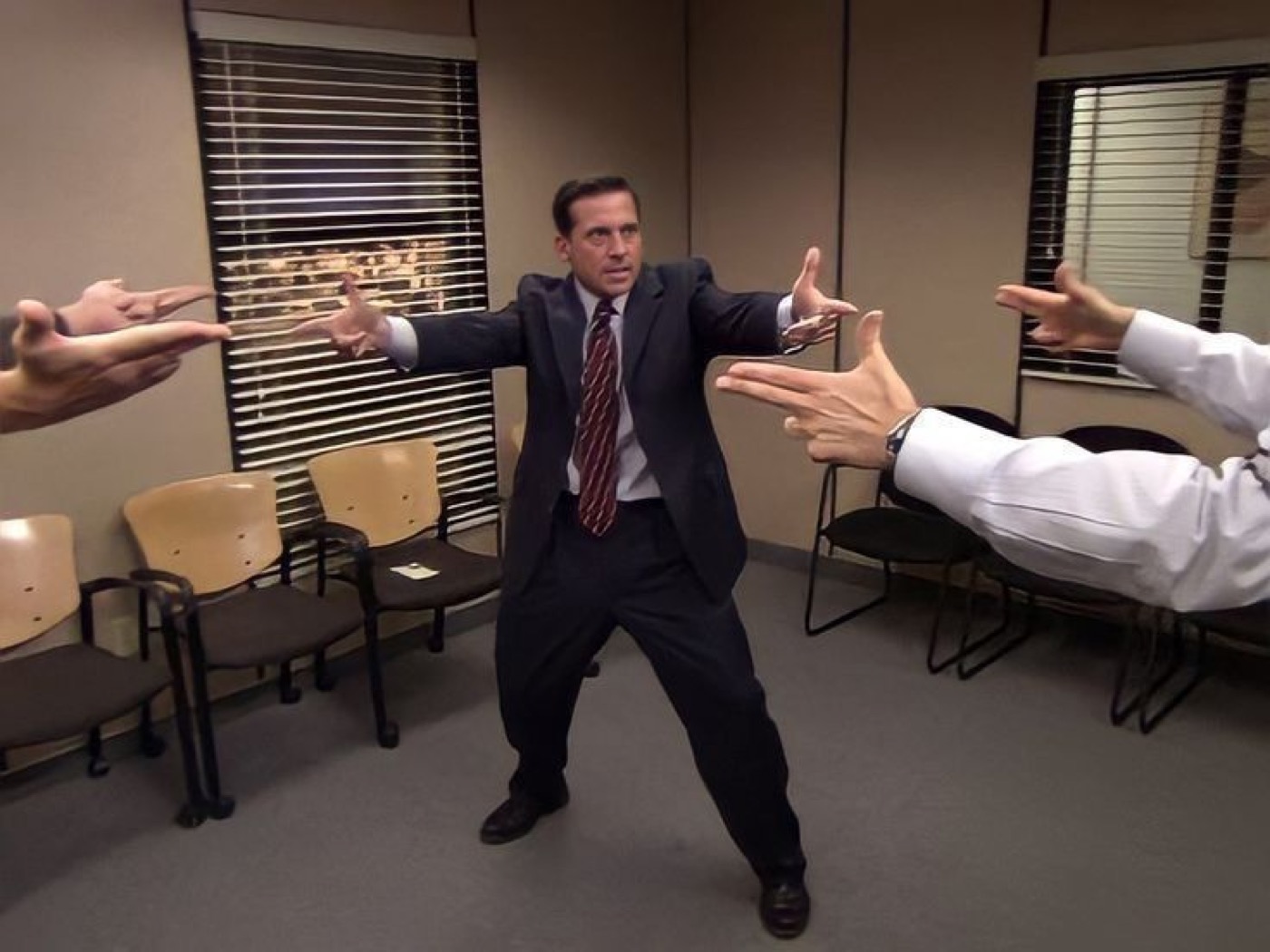
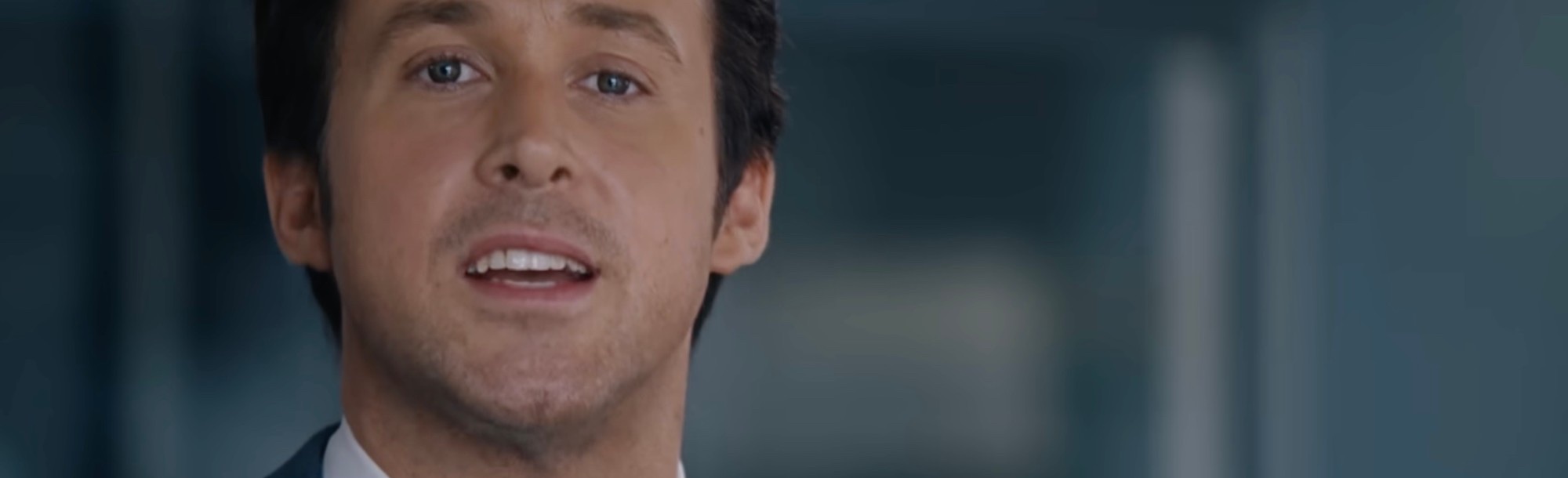
The direction drew from The Office and The Big Short. In both, the main characters break the fourth wall and talk straight to camera, in interview settings, and the characters are a little absurd. That self-aware feeling is the whole tone of the film. The references came from Lakshay Dhalla.
The reference · The Office
The reference · The Big Short

Adapted · Valentine’s Day
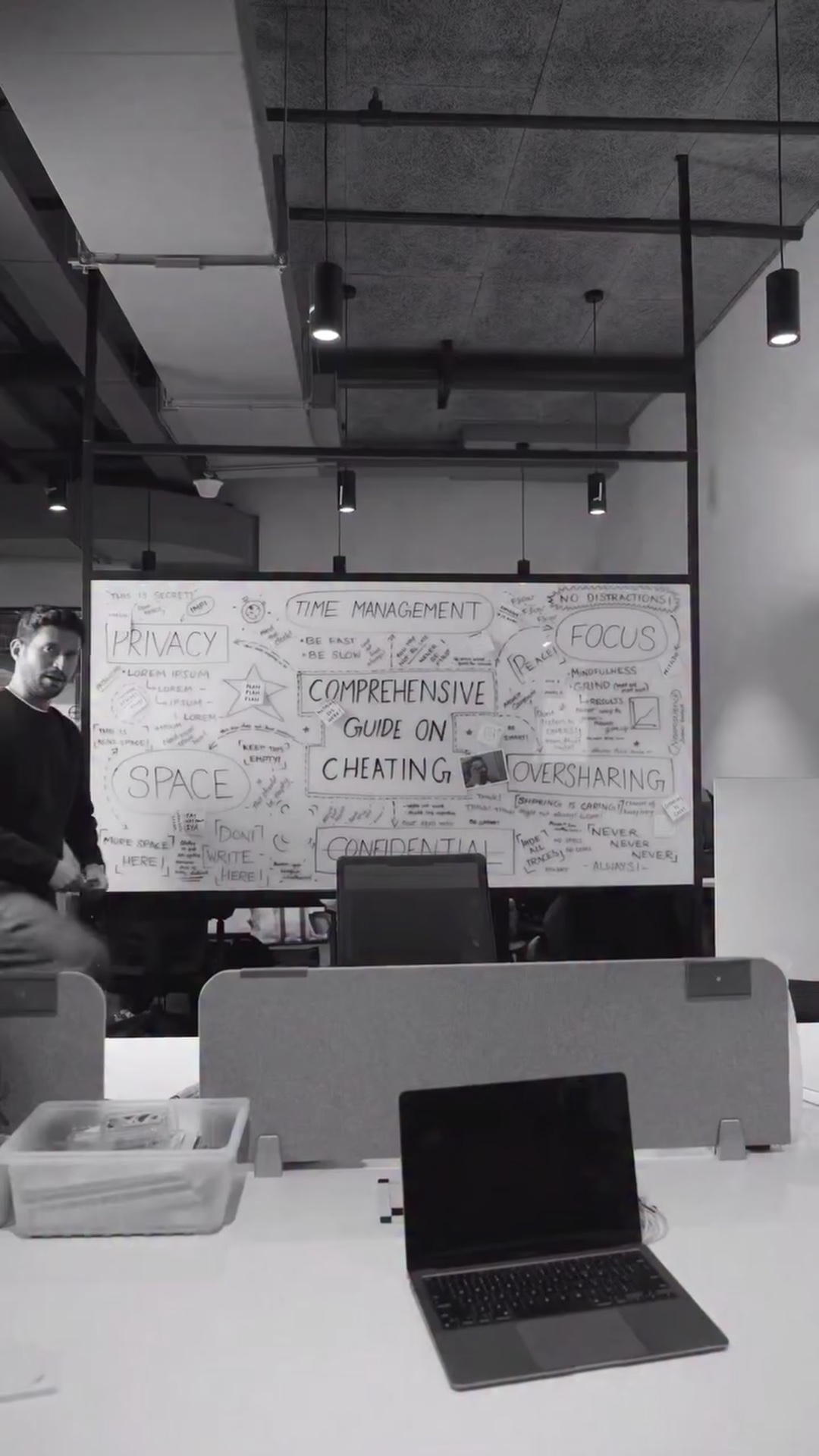
And the structure · Nike ACG
“An Impractical Guide to Camping and the Outdoors”: a step-by-step guide on how not to do something. It gave the film its shape: a title card, a panel of experts, and numbered chapters.
The shoot
Three performers, three ways of directing
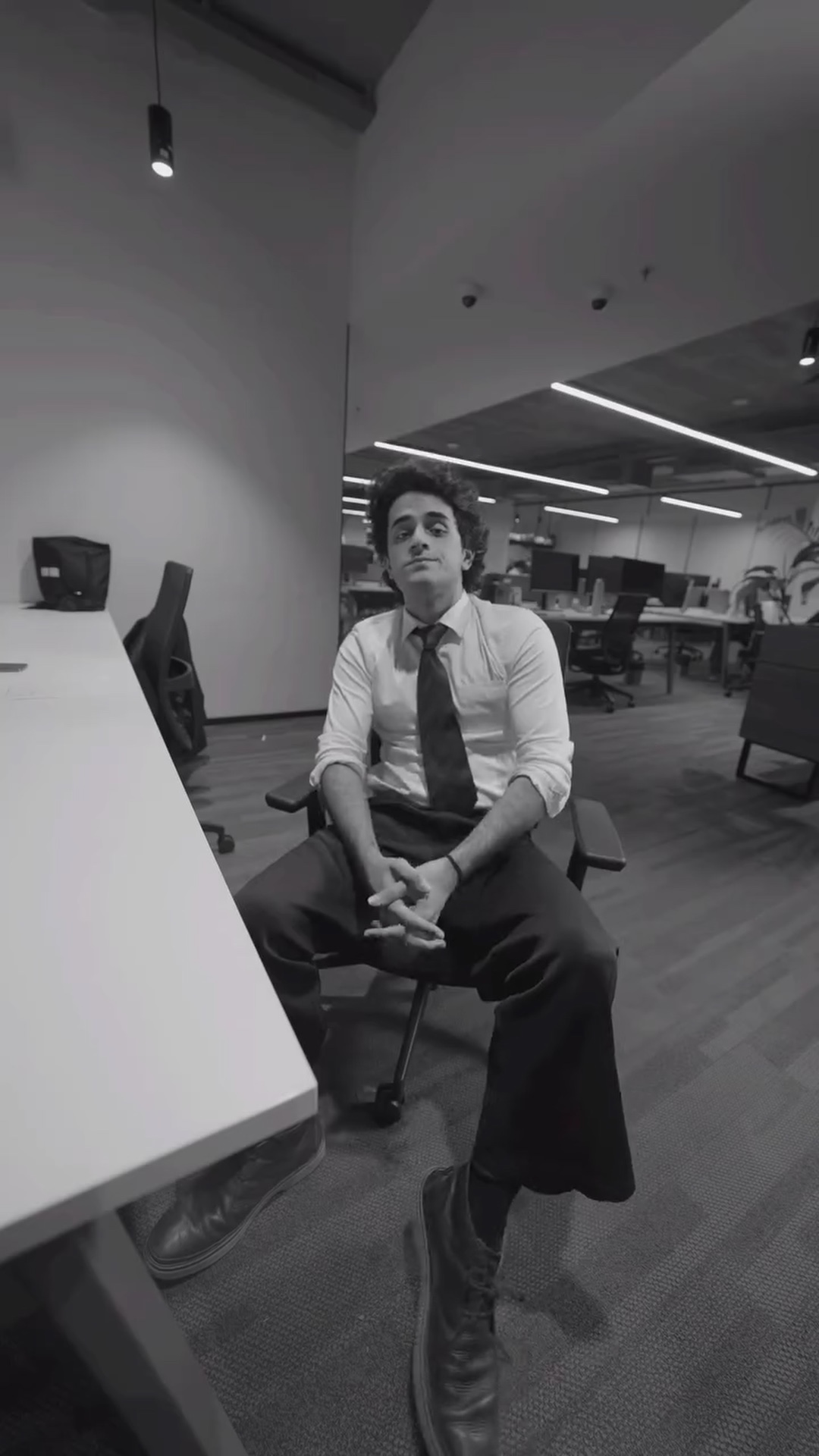
Every line is a piece to camera: they talk to a lens, not to another person, which is harder to make feel natural. The cast are creators, chosen for their audience as much as their acting, so there’s no long rehearsal. The cast and crew meet an hour before roll, and the rest is shaped live on set.
A natural comic, used to performing for his own audience. First a free-flow pass with every delivery he could think of; then a controlled pass built on the take we liked. Within an hour, every take was on tone, ten to twelve variations at a time.
The role needed a confident, slightly rebellious energy. Instead of stopping to talk between takes, the camera kept rolling while I guided him line by line, so the momentum never dropped and the tone came together in one continuous pass.
Her first professional set, after years of filming at home with a phone and a ring light. We moved some of the crew out of her eyeline and kept the notes simple, focused on action and delivery. That’s when she truly began to shine.
The shoot
On the day of the shoot
One day, shot in the office. The shoot-day schedule:
- 9:00 amCrew and equipment call: unloading, rigging, technical checks
- 10:30 amActors call: preparation, blocking, performance briefing
- 12:00 pmRoll camera
- 2:00–4:00 pmLunch in phases, in small groups, so the set never stops
- 8:00 pmPack-up
- 9:00 pmFootage transferred, verified and backed up
The equipment arrived at 10, without the intercom headset. Getting one would normally take two hours. Vaibhav pulled a few strings and had it on set in thirty minutes.
Two cameras, a big light, cutters, producers and feedback after every take can overwhelm anyone on their first set. Moving crew out of her eyeline and keeping notes simple let Simran settle in.
When a line on paper didn’t carry the energy out loud, Hitesh changed it right there on set, so the take never had to wait for a new script.
The edit
The edit table
The shoot was the easy part. The edit had about two days, and the last night ran past 11 pm, with the film going live the next morning.
Lakshay would talk through the vision out loud while I cut as he spoke. We built our own shorthand on the way: “slip left”, “slip right”, “punch in”, “punch out”. When we both went visually stale, the rest of the team would drop by and pitch ideas.
We had it at about a minute and a half and felt it was the sweet spot. Udayan asked if it was ready; I said not yet. So he challenged us to make five versions that night: 1:00, 1:17, 1:20 and more. Cutting to a hard limit shows what actually holds attention, and what’s only there because we shot it.
We started with music that sat in the background, since the performers carried so much energy. The film felt flat. So we started again from scratch, playing the cut on loop against track after track, until we found the fast-paced energy it needed.
37 shots · 1:07The final cut: five chapters in about thirty seconds, then the reveal takes its time. Each shot is drawn at its true length and coloured by its chapter; select one to watch from that moment.
The end card
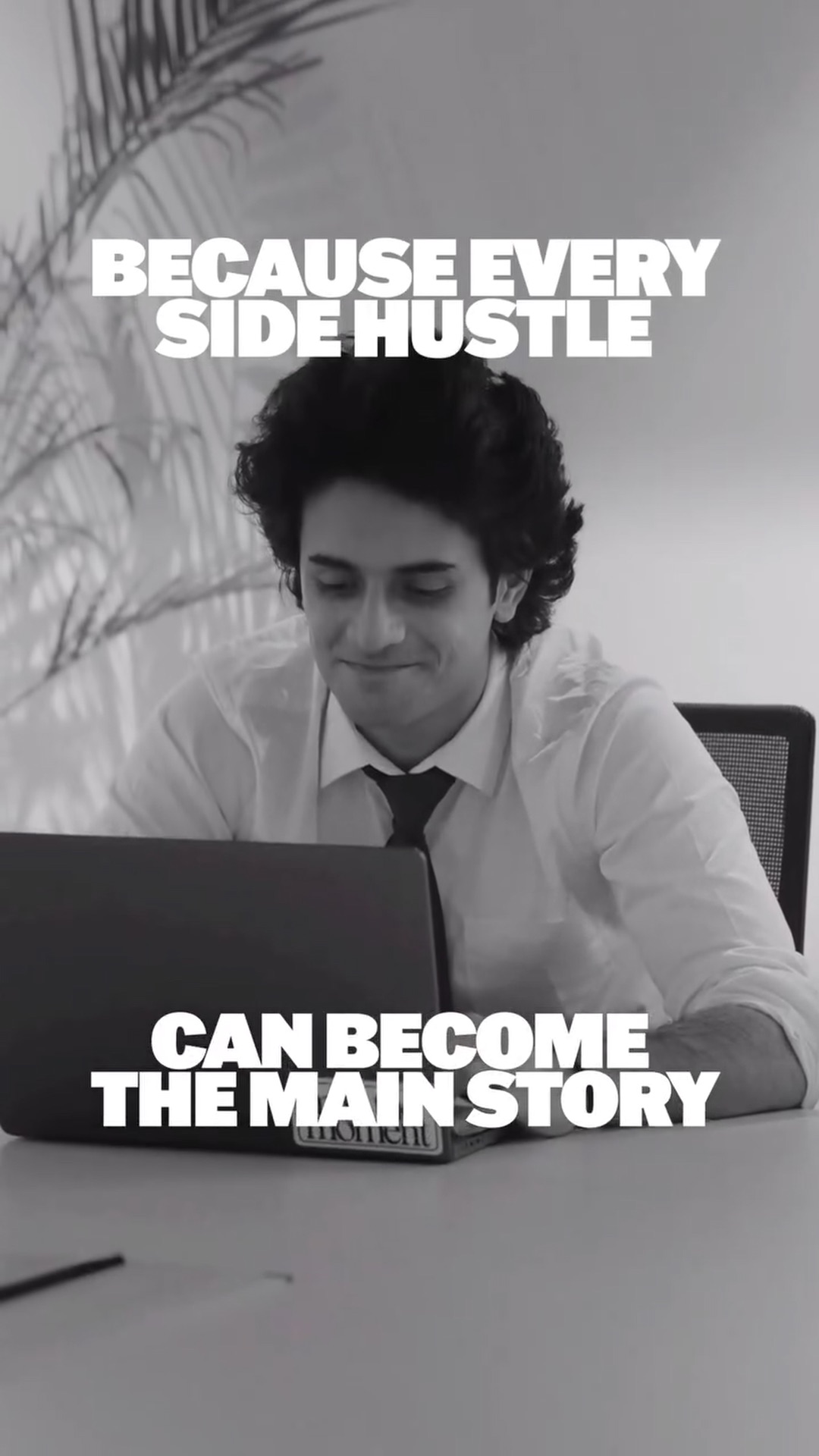
Because every side hustle
can become the main story.

Credits
- Direction
- Lakshay Dhalla
- Assisting director & cinematographer
- Sreeram
- DOP
- Jayansh Sharma
- Edit
- Lakshay Dhalla, Sreeram
- Written by
- Hitesh Makwaney
- Executive producers
- Lakshay Dhalla, Udayan Chakravarty
- Casting & set production design
- Vaibhav Pathak, Vishakha Kaushik
- Cast
- MD Anas, Simran Poonia, Kannav Bhardwaj